Treating loose skin after weight loss typically involves a combination of healthy lifestyle habits for mild cases and surgical body-contouring procedures – such as a tummy tuck, body lift, arm lift, or thigh lift – for moderate to significant skin laxity. The right approach depends on the amount and location of excess skin, as well as how your skin responds to non-surgical measures. Understanding your options is the first step toward feeling as good on the outside as you do on the inside.
Skin is a living organ with elastic properties, but those properties have limits. When your body carries extra weight for months or years, the skin stretches to accommodate the larger body volume. Over time, the collagen and elastin fibers that give skin its “snap back” ability become damaged and weakened. Once the weight comes off, the skin may not be able to retract to fit your smaller frame. Several factors determine how much loose skin remains:
Amount of weight lost: People who lose 100 pounds or more almost always have significant excess skin. Smaller amounts of weight loss may produce mild laxity that can sometimes improve on its own.
Speed of weight loss: Rapid weight loss – common after bariatric surgery – gives the skin less time to gradually adjust.
Duration of being overweight: The longer the skin was stretched, the more likely the damage is permanent.
Age: Collagen production slows as we age, reducing the skin’s ability to bounce back.
Genetics: Some people naturally produce more collagen and elastin than others.
Sun exposure and smoking history: Both accelerate the breakdown of skin proteins, reducing the skin’s ability to retract.
Loose skin after major weight loss doesn’t appear evenly across the body. The areas that tend to show the most excess skin include:
Abdomen and lower belly – often the most noticeable area, including a hanging “apron” of skin (pannus)
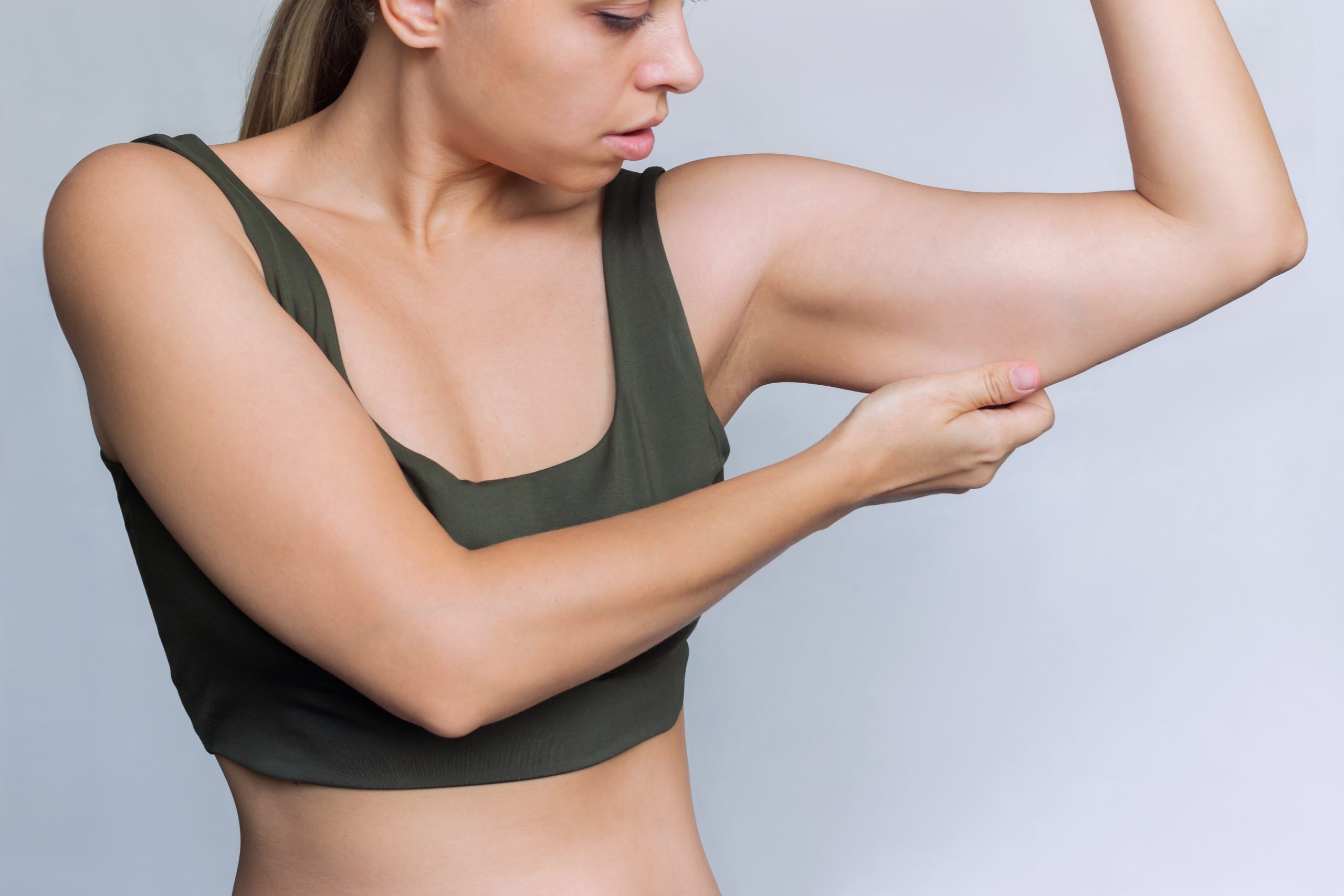
Upper arms – commonly referred to as “bat wings”
Inner and outer thighs – which can chafe and cause discomfort
Chest and breasts – both in women and in men
Back – especially the upper back and bra line area
Buttocks – leading to a flattened or sagging appearance
Flanks and waistline
Face and neck – contributing to jowls and a “turkey neck” appearance
Many patients at Illuum Cosmetic Surgery come in concerned about multiple areas simultaneously, which is why Dr. Lakin and Dr. Ozolins offer a range of body-contouring procedures that can be staged across multiple surgical sessions for safety and optimal results.
While surgical intervention is the only way to remove significant excess skin, certain lifestyle habits can improve your skin’s overall quality and may provide modest tightening for mild laxity.
With weight loss, you lose both fat and some muscle mass. The space between your skin and underlying structures increases, making loose skin more visible. Strength training helps rebuild muscle underneath the skin, filling out some of that “empty space” and creating a firmer appearance.
While resistance training won’t eliminate significant excess skin, it can improve overall shape and contour. Focus on compound movements that target areas where loose skin bothers you most: squats and lunges for the thighs and buttocks, push-ups and rows for the chest and back, and planks and weighted carries for the core.
Your skin is an organ, and its ability to repair and maintain its structure depends heavily on the nutrients you provide. Key dietary priorities include:
Protein – Essential for collagen synthesis and tissue repair. Include a source at every meal: fish, chicken, eggs, yogurt, legumes, and cheese.
Vitamin C – Required for collagen production. Found in citrus fruits, bell peppers, strawberries, and broccoli.
Zinc – Supports wound healing and skin cell turnover. Found in meat, shellfish, seeds, and nuts.
Iron – Plays a role in tissue repair. Found in lean meats, beans, and nuts.
Omega-3 fatty acids – Help maintain skin moisture and elasticity. Found in salmon, walnuts, and flaxseeds.
Hydrolyzed collagen supplements (collagen peptides) have gained popularity, and some research suggests they can modestly improve skin elasticity and hydration when taken consistently over several months. While collagen supplements won’t reverse significant skin laxity from major weight loss, they may support overall skin quality as part of a broader approach.
Adequate water intake keeps skin cells plump and supports the transport of nutrients that maintain skin integrity. Dehydration can make loose skin appear more pronounced and less supple. A general guideline is to drink enough water so that your urine is a pale yellow color throughout the day.
Important note: Natural methods work only for mild skin laxity. If you have moderate-to-severe excess skin – especially hanging folds – lifestyle changes alone are unlikely to produce the results you’re looking for. That’s when non-surgical or surgical treatments become relevant.
Radiofrequency treatments deliver controlled heat into the dermis to trigger collagen contraction and new collagen growth. Morpheus8 is one such device that uses fractional radiofrequency energy delivered through tiny needles to remodel tissue at customizable depths.
At Illuum Cosmetic Surgery, Morpheus8 can be applied to both the face and body. For body areas like the stomach and thighs, treatment sessions typically last about two hours (including one hour for numbing). A series of three treatments spaced four to six weeks apart is usually recommended as a starting point.
Ultrasound-based skin tightening uses focused sound waves to reach deeper tissue layers – even deeper than RF treatments – without damaging the surface. This can be effective for mild laxity in specific areas, particularly the neck and jawline. However, its effectiveness on larger body areas with significant skin excess is limited.
Laser treatments use light energy to heat the collagen beneath the skin’s surface, causing it to contract and tighten while also promoting new collagen growth for longer-term improvements. Illuum Cosmetic Surgery offers IPL laser options that may complement other treatments.
Non-surgical skin tightening works for people with:
Mild skin laxity (slight looseness without hanging folds)
Good underlying skin quality
A stable weight at or near their ideal body weight
Realistic expectations about gradual, subtle improvement
A preference to avoid surgery or surgical downtime
Non-surgical options are worth exploring when your loose skin is relatively minor – for example, if you’ve lost 20 to 40 pounds and have some loss of firmness but no hanging or folding skin. They can also be used after surgical body contouring to refine and maintain results.
For patients who have lost 50 pounds or more and have visible hanging skin, non-surgical treatments alone are unlikely to produce meaningful improvement. In these cases, surgery is typically the only way to remove the excess tissue and achieve a contoured result.
For patients who have undergone massive weight loss, surgery is the most effective and often the only solution to address the resulting loose skin.
A full tummy tuck removes excess skin and fat from the abdomen – from the ribcage down to the pubic bone – and restores separated abdominal muscles (diastasis recti). This is one of the most requested procedures among weight-loss patients at Illuum Cosmetic Surgery. The procedure also includes hernia repair when needed and can be combined with liposuction for enhanced contouring.
A mini tummy tuck targets only the lower abdomen. It involves a smaller incision and does not reposition the belly button. This option is appropriate for patients whose excess skin is limited to the area below the navel and can be combined with liposuction for a smoother overall contour.
A reverse tummy tuck targets the upper abdomen. The incision is placed along the bra line rather than the lower belly, allowing the surgeon to pull the skin upward and create a smoother upper abdominal contour. This procedure is particularly useful for weight-loss patients with significant excess skin above the waistline that a traditional tummy tuck can’t reach.
For patients with massive weight loss, a fleur-de-lis tummy tuck – which adds a vertical incision to address excess skin both horizontally and vertically – may be recommended.
For patients who have experienced massive weight loss, loose skin often wraps around the entire midsection – front, sides, and back. A body lift addresses this circumferential laxity in a single procedure.
Lower Body Lift: Addresses the abdomen, outer thighs, hips, and buttocks. The incision runs around the body like a beltline, allowing the surgeon to remove a circumferential band of loose skin and lift the remaining tissues.
Upper Body Lift: Also known as a bra-line lift, this procedure removes excess skin from the upper back and sides. The incision is strategically placed where it can be hidden by a bra or bathing suit top.
A body lift is often the answer for those who have lost 100 or more pounds and have circumferential laxity around the entire torso.
An arm lift removes excess skin and fatty tissue from the upper arms through an incision that runs from the elbow to the armpit. This is one of the most common “finishing touch” procedures for weight-loss patients bothered by sagging upper arm skin that doesn’t respond to strength training.
A thigh lift removes excess skin from the inner or outer thighs. At Illuum Cosmetic Surgery, a vertical incision running along the inner thigh is most commonly performed because it allows for greater skin removal. A horizontal incision, which hides the scar in the groin crease, is an option but is only suitable for a limited number of candidates. Dr. Lakin or Dr. Ozolins will determine the right approach based on an evaluation of your anatomy. This procedure can dramatically improve the contour of the legs and alleviate issues with chafing.
Staging procedures for safety: When multiple areas need attention, Dr. Lakin typically stages complex procedures across three separate surgical sessions, while Dr. Ozolins can sometimes complete the work in two stages. This approach respects a maximum operating time of six hours per session and allows the body adequate time to heal – generally one to three months between procedures – before the next step.
Ask yourself these questions:
Can I grab and lift a fold of excess skin? If yes, surgical removal is likely needed. Non-surgical treatments cannot remove hanging tissue.
Is my skin loose but still relatively flat against my body? Non-surgical tightening (like Morpheus8) may provide meaningful improvement.
How much weight have I lost? Losses of over 50 pounds almost always require surgical intervention for noticeable results.
Am I at a stable weight? Both surgical and non-surgical treatments produce the most reliable outcomes when your weight has been stable for at least six months.
A consultation with a board-certified plastic surgeon is the most efficient way to understand your options. At Illuum Cosmetic Surgery, consultations are held directly with Dr. Lakin or Dr. Ozolins. During the 45-minute appointment, our surgeon evaluates your anatomy, discusses your goals, and develops a personalized plan that may involve a single procedure or a staged series of procedures.
Both in-person and virtual consultations are available at our office. For virtual visits, we send a direct link via text – no apps or software downloads required. Patients who start with a virtual consultation can meet their surgeon in person at the pre-operative appointment before any procedure.
The choice of treatments for loose skin after weight loss depends on the severity and location of your excess skin. Mild laxity may respond to resistance training, nutrient-dense eating, hydration, and non-surgical treatments, such as Morpheus8. For moderate-to-severe excess skin, surgical body contouring remains the only way to remove sagging tissue and reveal the underlying body. If you’ve put in the hard work to lose weight, the next step is to find which approach will help you fully enjoy the results.
About the Author
Dr. Gregory Lakin
June 19, 2026
Nurse Injector
She received her Bachelor of Science in Nursing from Michigan State University and worked as an operating room nurse at Michigan Medicine for 2 years before transitioning to aesthetics. She
received her certification as a Nurse Injector, and attended further training and certification through Allergan Medical Institute. She absolutely loves being a Nurse Injector and is very passionate about
combining medicine and the creativity and artistry of aesthetics in her practice. It is extremely important to her to remain educated and up to date with the newest and best treatments and injection techniques. Her goal as an Injector is that when you sit in her chair that you feel comfortable, fully educated on your procedure, and confident and happy in your results when we are done. She loves forming connections with her patients and feels truly honored to be a part of your journey to becoming your most confident self, inside and out! She is a great listener and looks forward to creating an individualized plan to meet each of her patient’s unique goals and desires. Some of her favorite treatments include lip filler, Botox, and midface/cheek filler (but there is so much more!). When she is not injecting, you can find her trying new recipes, spending time with family, working out, gardening, or taking a long walk with her dog.
Heidi Winkler BSN, RN
Director of Nursing & Surgical Services Leadership
Heidi’s goal is to ensure every patient has a positive experience and is satisfied with the high quality of service provided by our clinical staff. Her passion as a caregiver is to impact each person’s life in a positive way.
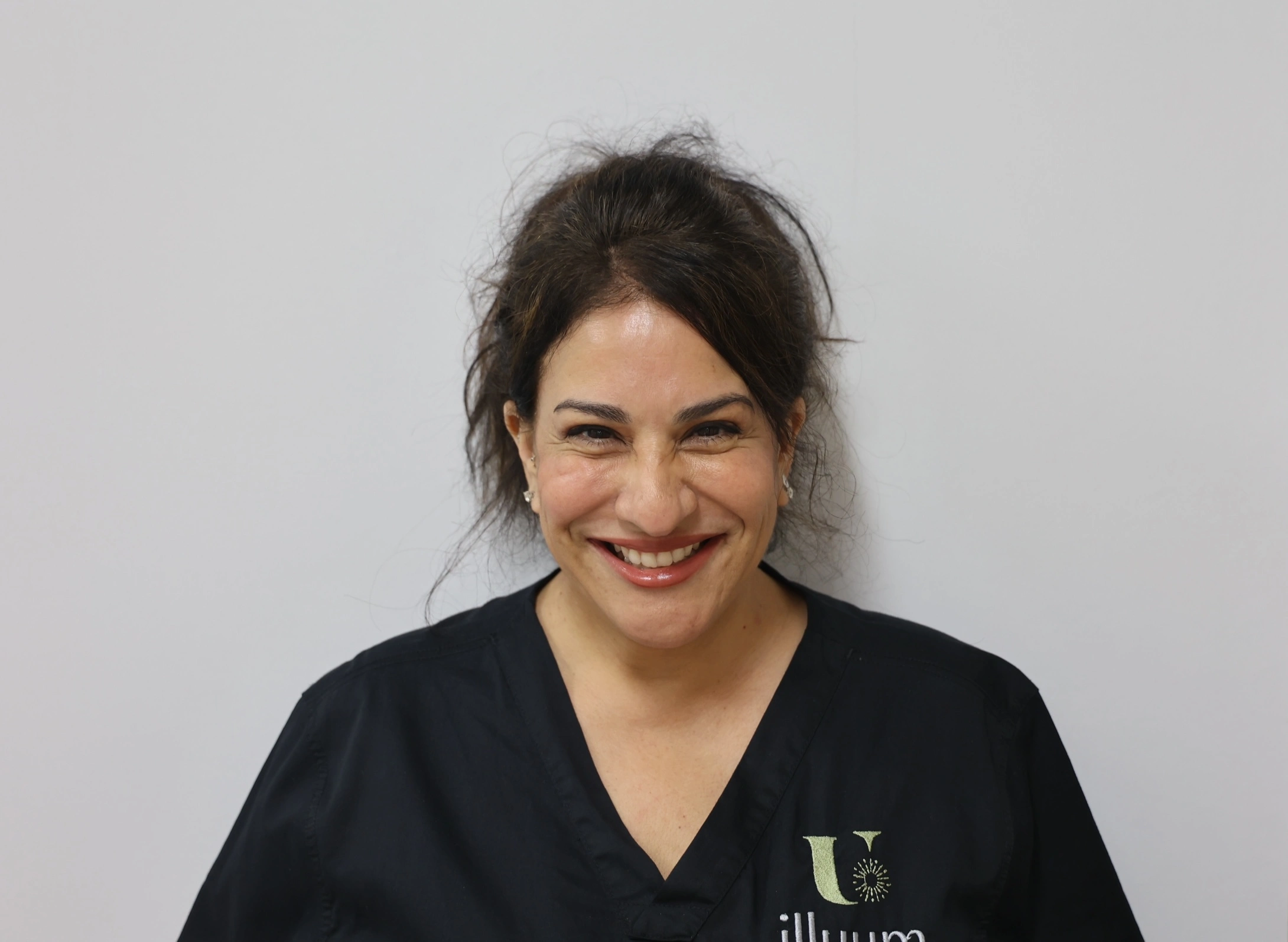
PACU Nurse
Tonya has been a registered nurse for 15 years. She earned her BSN at the University of Michigan. Go Blue!
She started her career as a trauma RN in Detroit. She has been working as a recovery RN for the past 8 years. She loves being part of a team that makes a difference in people’s lives.
Her passions include lounging with her fur babies, family, and friends, traveling, crunching, and recycling.

You must be over 18 to view this gallery.