Does Liposuction Leave Scars? What to Expect and How to Manage Them
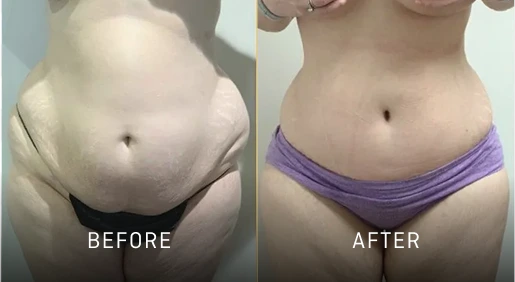
If you're considering liposuction to achieve your body goals, you're probably wondering about the visible outcomes of the procedure. While liposuction is minimally invasive compared to many other cosmetic surgeries, it does involve small incisions that will leave some scarring. The good news is that these scars are typically very small, strategically placed, and fade significantly over time with proper care. Most patients find that their liposuction scars become barely noticeable within several months to a year after the procedure, especially when following their surgeon's aftercare instructions.
Understanding what to expect regarding scarring can help you make an informed decision and prepare for optimal results. Let's explore everything you need to know about liposuction scars, from how they form to the best ways to minimize their appearance.
Understanding the Liposuction Procedure
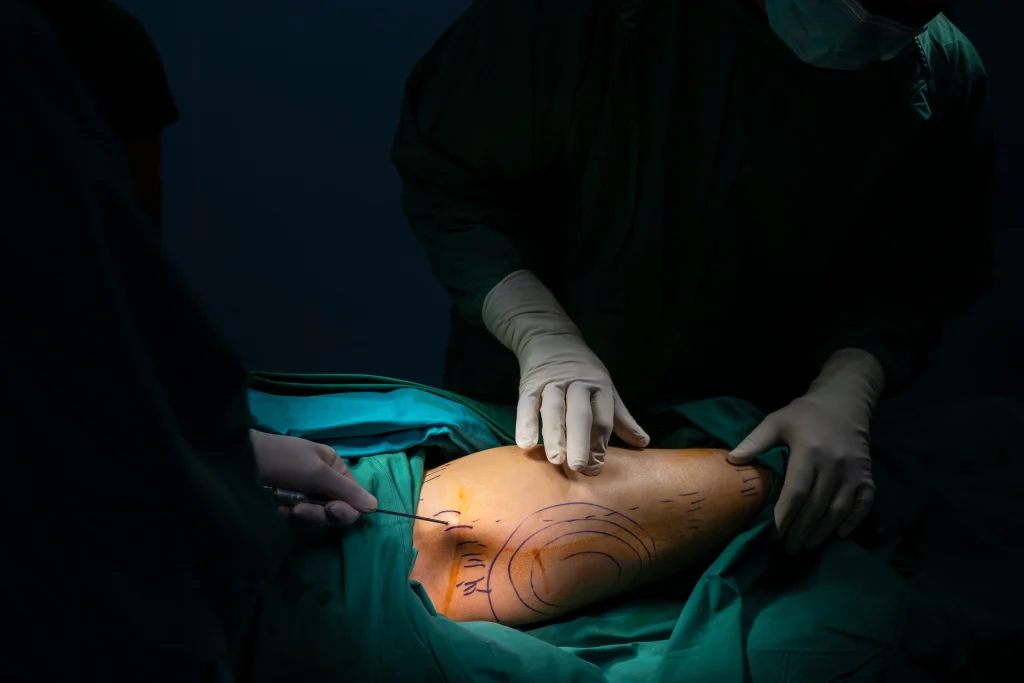
The liposuction procedure involves removing excess fat from specific areas of your body through small incisions. Your surgeon inserts a thin tube called a cannula through these tiny openings to suction out unwanted fat deposits. Modern techniques have made this process increasingly refined, with incisions that are often just 3 to 5 millimeters long.
These small entry points are strategically placed in discreet locations where natural skin folds or creases can help camouflage them. For example, incisions for abdominal liposuction might be placed near the belly button or along the bikini line, while those for thigh liposuction may be hidden in the groin crease or behind the knee.
The size and number of incisions needed depend on the treatment area and the amount of fat being removed. Larger areas or multiple zones may require several incisions to ensure even fat removal and optimal body contouring results.
What Liposuction Incisions Look Like
Liposuction incisions are remarkably small compared to traditional surgical procedures. Immediately after your procedure, these incisions will appear as tiny cuts, typically requiring just one or two stitches, or sometimes none at all if they’re small enough to close on their own.
During the first few weeks, the incision sites may appear red, slightly raised, and more noticeable. This is a normal part of the healing process as your body works to repair the tissue. You might also notice some bruising and swelling around the incision areas, which can temporarily make them seem more prominent.
As weeks turn into months, these marks will gradually fade. Most patients notice significant improvement within three to six months, with scars continuing to lighten and flatten for up to a year or longer. The final appearance of your scars will depend on factors like your skin type, genetics, and how well you care for the healing wounds.
Types of Lipo Scars You Might Experience
Not all lipo scars heal the same way, and understanding the different types can help you identify any concerns early and address them appropriately.
Normal Healing Scars
The majority of liposuction patients experience normal healing, where scars progress through predictable stages. They start red or pink, gradually fade to a lighter color, and eventually become thin, flat lines that blend with your surrounding skin. These scars typically become barely visible with time and proper care.
Some People Develop Keloid Scars
Some individuals are predisposed to develop keloid scars, which are raised, thick scars that grow beyond the original incision boundaries. Keloid formation is more common in people with darker skin tones and those with a family history of keloid scarring. If you’ve developed keloids from previous injuries or surgeries, it’s crucial to discuss this with your surgeon during your consultation, as you may be at higher risk.
Keloids can appear months after your procedure and may require specialized treatment, such as steroid injections, silicone sheeting, or other interventions to manage their appearance.
Understanding Hyperpigmentation Scars
Hyperpigmentation scars occur when the healing incision produces excess melanin, resulting in darkened patches of skin around the scar. This type of scarring can affect anyone, but it is particularly common in individuals with darker skin tones who naturally have more melanin in their skin.
Sun exposure during the healing process can significantly worsen hyperpigmentation, making it essential to protect your incision sites from UV rays. With proper care and sun protection, hyperpigmentation typically fades over time, though it may take several months to a year.
Special Considerations for Darker Skin Tones
Individuals with darker skin tones face unique considerations when it comes to scarring after liposuction. The increased melanin in darker skin makes it more susceptible to both hyperpigmentation and keloid formation. This doesn’t mean you should avoid liposuction, but it does mean you need to take extra precautions.
Choosing a surgeon experienced in treating diverse skin types is crucial. They’ll understand the nuances of how your skin heals and can take preventive measures, such as placing incisions in less visible areas and recommending specific aftercare products designed for your skin type.
Diligent sun protection is crucial for darker skin tones. Even after your scars have healed, continued use of broad-spectrum sunscreen can prevent darkening and help scars fade more effectively.
Optimizing Your Liposuction Recovery
Your liposuction recovery plays a significant role in how well your scars heal. Following your surgeon’s post-operative instructions carefully can make a substantial difference in your final results.
During the first few weeks, keep your incisions clean and dry as directed. You’ll likely need to wear compression garments that help reduce swelling and support your newly contoured areas. These garments also help protect your incisions as they heal.
Avoid strenuous activities and heavy lifting during the initial recovery period, typically for at least 4-6 weeks. Premature physical activity can put stress on your healing incisions and potentially worsen scarring.
Stay hydrated and maintain a nutritious diet rich in protein, vitamins, and minerals to support your body’s healing processes. Adequate rest and avoiding smoking are also crucial, as tobacco use significantly impairs wound healing and can lead to more prominent scarring.
Achieving Optimal Body Contouring Results
The success of your body contouring journey extends beyond fat removal to include how well your skin heals and adapts to your new shape. Proper scar management is integral to achieving the smooth, natural-looking results you desire.
Maintaining a stable weight after your procedure helps preserve your results and allows your scars to settle properly. Significant weight fluctuations can stretch the skin and potentially affect the appearance of scars.
Regular follow-up appointments with your surgeon allow them to monitor your healing progress and address any concerns about scarring early. They can assess whether your scars are healing normally or if additional interventions might be beneficial.
Illuum Cosmetic Surgery Offers Advanced Scar Treatments
At Illuum Cosmetic Surgery, we understand that achieving beautiful results from liposuction surgery goes beyond fat removal. Our experienced team uses advanced techniques to minimize visible scarring from the very beginning, strategically placing incisions to ensure only tiny scars remain. We provide comprehensive guidance on managing liposuction scars throughout your recovery. For patients who develop more noticeable scarring, we offer state-of-the-art scar removal treatments tailored to your unique skin type and healing response. Our commitment to excellence means supporting you every step of the way, from your initial consultation through complete healing, ensuring you achieve the smooth, natural-looking results you deserve.
Preparing for Your Liposuction Consultation
During your liposuction consultation, openly discuss your concerns about scarring with your surgeon. This is the time to share your medical history, including any previous experiences with abnormal scarring, keloid formation, or slow wound healing.
Ask to see before-and-after photos of patients with similar skin types and tones to yours. This will give you realistic expectations about potential scarring and final results. Don’t hesitate to ask specific questions about incision placement, scar management techniques, and how to optimize healing.
Your surgeon should explain their approach to minimizing scarring and provide clear instructions for post-operative care. If you have risk factors for problematic scarring, they may recommend preventive treatments or alternative techniques.
Effective Scar Management Techniques
Once your incisions have fully closed and your surgeon gives approval, typically after a few weeks, you can begin using scar management products.
Silicone sheets or gels are among the most effective over-the-counter options, helping to flatten and fade scars by maintaining moisture and protecting the healing tissue.
Gentle massage of the scar tissue, once cleared by your surgeon, can help break down excess collagen and improve scar flexibility. Use your fingertips to apply light pressure in circular motions around the scar area for a few minutes daily.
Sun protection cannot be overstated. Apply broad-spectrum SPF 30 or higher sunscreen to your scars whenever they’ll be exposed to sunlight, even on cloudy days. UV exposure can darken scars and make them more permanent.
When to Consider Laser Therapy
For scars that remain prominent or bothersome after the initial healing period, laser therapy offers an advanced solution. Various laser treatments can target different aspects of scarring, from reducing redness and thickness to improving texture and color.
Laser therapy works by stimulating collagen production and breaking down scar tissue, promoting smoother, more even skin. Multiple sessions are typically needed for optimal results, with treatments spaced several weeks apart.
This option is usually considered after scars have fully matured, which takes at least six months to a year. Your surgeon or a dermatologist can evaluate whether you’re a good candidate for laser treatment based on your scar type, skin tone, and healing progress.
Moving Forward with Confidence
Understanding that liposuction leaves small scars, typically minimal and manageable, can help you approach the procedure with realistic expectations and confidence. The key to optimal results lies in choosing an experienced surgeon, following post-operative care instructions diligently, and being patient with the healing process.
Most patients find that the dramatic improvement in their body contour far outweighs any minor scarring, especially as those scars continue to fade over time. With proper care and management, your liposuction scars can become virtually undetectable, allowing you to enjoy your enhanced silhouette without worry.
Conclusion
So, does liposuction leave scars? Yes, but the reality is far less concerning than many people fear. Modern plastic surgery techniques, particularly tumescent liposuction, use tiny incisions that heal remarkably well with proper care. Stomach liposuction scars are typically placed near natural creases, and male liposuction scars look like small dots that fade significantly over time. The permanence of fat cell removal makes this procedure worthwhile for most patients.
Some individuals may experience raised scars or hypertrophic scars, but significant scarring is relatively rare when you work with an experienced surgeon and follow aftercare protocols. Maintaining a healthy diet, protecting your healing skin from sun exposure, and being patient as incisions heal are all crucial steps in minimizing noticeable scarring.
The bottom line is that liposuction scars are a small trade-off for the body transformation you’ll achieve. Unlike more invasive procedures, such as a tummy tuck, liposuction’s minimal scarring profile makes it an attractive option for those seeking body contouring without extensive visible marks. Your journey to a more confident you doesn’t have to be marked by prominent scarring when you take the right steps from consultation through recovery.