Is Liposuction Permanent? Understanding Long-Term Results and Effects

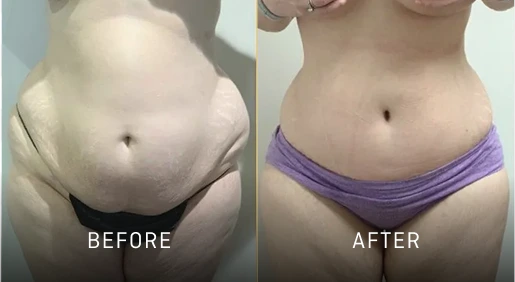
When considering body contouring options, one of the most common questions people ask is whether liposuction provides lasting results. The procedure offers permanent removal of fat cells from treated areas, meaning those cells will never return. However, the long-term success of liposuction depends significantly on maintaining a stable weight and a healthy lifestyle after surgery. While the fat cells removed during the procedure are gone for good, remaining fat cells in your body can still expand if you gain significant weight, potentially compromising your results.

Understanding exactly what happens during liposuction and how your body responds afterward is crucial for setting realistic expectations and maintaining your investment in cosmetic enhancement.

Is Liposuction Safe? Banner

Understanding the Liposuction Procedure

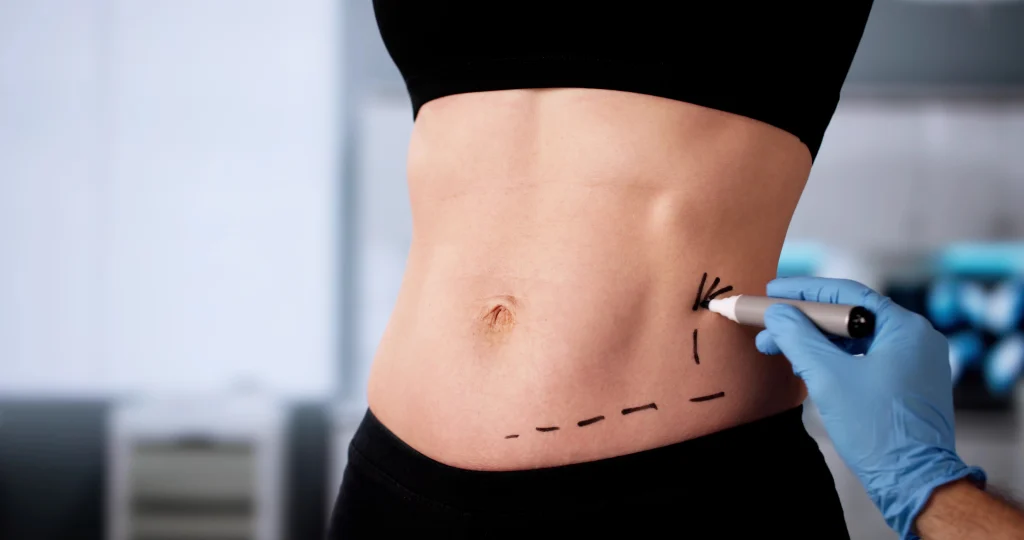
Liposuction is a surgical technique designed to remove stubborn pockets of fat that resist diet and exercise. During the procedure, our qualified surgeon makes small incisions in the treatment area and inserts a thin tube called a cannula. This device breaks up and suctions out fat deposits from beneath the skin, reshaping specific body areas to create more desirable contours.

The procedure works because it physically removes fat cells from targeted zones. Unlike weight-loss methods that simply shrink fat cells, liposuction removes them from the treated area. This fundamental difference is what gives liposuction its permanent quality.

Liposuction Techniques

Various techniques exist, each with unique advantages:

TechniqueBenefits

Traditional tumescent liposuction

Involves injecting a solution to minimize bleeding and make fat removal easier.

Ultrasound-assisted methods

Use sound waves to liquefy fat before removal

Power-assisted techniques

Employ mechanical movement to break down fatty tissue more efficiently.

The Truth About Fat Cells After Surgery

Adults have a relatively fixed number of fat cells in their bodies. When you gain or lose weight naturally, these cells expand or shrink, but their total number remains fairly constant. Liposuction changes this equation by permanently removing fat cells from specific areas.

Once removed, those particular fat cells cannot regenerate. Your body doesn’t create new fat cells to replace the ones taken out during surgery. This biological fact is what makes liposuction’s results permanent in the treated areas.

However, this doesn’t mean you’re immune to future weight fluctuations. The remaining fat cells throughout your body, including some in the treated areas, can still expand if you consume more calories than you burn. This expansion won’t be as pronounced in treated zones since there are fewer cells present, but significant weight gain can still alter your body shape.

What Happens If You Gain Weight After Treatment

Understanding how weight gain affects liposuction results is essential for long-term satisfaction. If you gain a modest amount of weight after your procedure, perhaps five to ten pounds, you’ll likely see fairly even distribution across your body. The treated areas will typically remain more contoured than they were before surgery because they contain fewer fat cells.

However, substantial weight gain presents a different scenario. If you gain significant weight, the remaining fat cells in treated areas can enlarge, and the untreated regions may become more prominent. Some patients find that fat accumulates disproportionately in areas that weren’t liposuctioned, creating new problem zones.

The key takeaway is that liposuction should be viewed as a body-contouring tool rather than a weight-loss solution. It works best for people who are at or near their goal weight but struggle with localized fat deposits that won’t respond to traditional methods.

How Much Weight and How Much Fat Can Be Removed

Many people overestimate how much weight they’ll lose through liposuction. The procedure typically removes between 6 and 8 pounds of fat, though this varies based on the number and size of treatment areas. Some jurisdictions and medical guidelines limit fat removal to about five liters for safety reasons.

It’s important to understand that liposuction isn’t measured by weight loss but by body contour improvement. Fat is surprisingly light, so even removing several pounds can create dramatic visual changes in your silhouette. You might not see a significant drop on the scale, but you’ll likely notice how your clothes fit and how your body looks in the mirror.

Your surgeon will determine the appropriate amount to remove based on your body type, treatment areas, and overall health. Removing too much fat in one session increases the risk of complications and can create unnatural-looking results.

Maintaining Your Liposuction Results Over Time

The permanence of your results largely depends on your commitment to a healthy lifestyle.

  1. Maintaining a stable weight through balanced nutrition and regular exercise is crucial. Most surgeons recommend that patients be within 10-15 pounds of their goal weight before undergoing the procedure and maintain that range afterward.

  2. Regular physical activity not only helps control weight but also improves overall body composition. Building muscle through strength training can enhance the contoured appearance created by liposuction. Cardiovascular exercise supports heart health and helps burn calories to prevent fat accumulation.

  3. Nutrition plays an equally important role. A diet rich in whole foods, lean proteins, fruits, vegetables, and whole grains supports weight maintenance while providing the nutrients your body needs for optimal health. Avoiding excessive processed foods, sugary beverages, and large portion sizes helps prevent the calorie surplus that leads to fat storage.

Liposuction Recovery: The Compression Garment and Beyond

Your liposuction recovery begins immediately after surgery and significantly impacts your final results. Wearing a compression garment as directed is one of the most important aspects of healing. These specialized garments apply gentle, even pressure to treated areas, reducing swelling, minimizing bruising, and helping skin conform to your new contours.

Most surgeons recommend wearing compression garments continuously for the first few weeks, then gradually reducing wear time over one to two months. While they may feel uncomfortable initially, these garments are essential for optimal healing and for refining results.

Beyond compression wear, recovery involves managing discomfort with prescribed or over-the-counter medications, avoiding strenuous activity during the initial healing phase, and attending all follow-up appointments. Most patients return to desk work within a few days to a week, but they should avoid vigorous exercise for several weeks. Complete results appear within 12 months as residual swelling subsides.

Choosing a Board-Certified Plastic Surgeon

Selecting the right medical professional is perhaps the most critical decision you’ll make in your liposuction journey. A board-certified plastic surgeon has completed extensive training specifically in plastic and reconstructive surgery, passed rigorous examinations, and maintains ongoing education in the latest techniques and safety protocols.

Board certification ensures your surgeon has the skills to handle complications should they arise and possesses the aesthetic judgment necessary to create natural-looking results. These specialists understand body proportions, can recommend appropriate treatment areas, and know how much fat to remove for optimal outcomes without compromising your health or appearance.

During your consultation, a qualified surgeon will evaluate your candidacy, discuss your goals, and provide honest feedback about what liposuction can and cannot achieve. They’ll also explain the specific technique they recommend for your situation and why it’s the best choice for your body type and desired results.

What Is Laser-Assisted Liposuction?

Laser-assisted liposuction represents one of the newer innovations in body contouring technology, along with power-assisted liposuction. This method uses laser energy to liquefy fat cells before removal, making the extraction process gentler and potentially more precise. The laser also stimulates collagen production, which can help tighten skin in the treated area.

This technique may offer advantages for certain patients, particularly those concerned about skin laxity. The heat from the laser causes some skin tightening that traditional methods don’t provide. However, it’s not necessarily superior for everyone, and the best approach depends on your individual anatomy and goals.

Recovery time with laser-assisted techniques may be slightly shorter for some patients, with potentially less bruising and swelling compared to traditional methods. Your surgeon can help determine whether this advanced option aligns with your needs and expectations.

Understanding Cosmetic Surgery Expectations

Liposuction falls under the category of cosmetic surgery, meaning it’s performed to enhance appearance rather than treat medical conditions. This distinction is essential for setting appropriate expectations. While the procedure can significantly improve body contours and boost confidence, it’s not a solution for obesity, a substitute for healthy living, or a treatment for cellulite or loose skin.

Realistic expectations lead to higher satisfaction rates. The best candidates understand that liposuction refines and sculpts but doesn’t create perfection. Results continue improving for several months as swelling subsides and tissues settle, so patience during this refinement period is essential.

Conclusion

So, is liposuction permanent? The answer is nuanced but encouraging. Liposuction surgery permanently removes subcutaneous fat and unwanted fat deposits from targeted areas, making it an effective body contouring procedure for those struggling with stubborn fat deposits that resist diet and exercise. Unlike weight-loss procedures, this body contouring surgery specifically targets excess fat in problem areas while leaving blood vessels and surrounding tissues intact. However, it’s crucial to understand that this surgical procedure works best for removing unwanted fat rather than achieving significant weight loss. Our plastic surgery techniques permanently eliminate fat cells from treated areas, but maintaining results requires commitment to a healthy diet and stable body weight.

Your long-term success with this body contouring procedure depends on realistic expectations and lifestyle changes. While the removed body fat won’t return to treated areas, remaining fat cells can expand if you don’t maintain a healthy weight after surgery. Factors such as poor skin quality may affect the final results, and the procedure isn’t a substitute for proper nutrition and exercise. By viewing liposuction as a sculpting tool rather than a weight-loss solution, choosing a qualified surgeon, and committing to healthy habits post-surgery, you can enjoy lasting improvements to your physique.

Leave a Reply

katie W scaled e1675442214826

Katie Wells BSN, RN

Nurse Injector

She received her Bachelor of Science in Nursing from Michigan State University and worked as an operating room nurse at Michigan Medicine for 2 years before transitioning to aesthetics. She
received her certification as a Nurse Injector, and attended further training and certification through Allergan Medical Institute. She absolutely loves being a Nurse Injector and is very passionate about
combining medicine and the creativity and artistry of aesthetics in her practice. It is extremely important to her to remain educated and up to date with the newest and best treatments and injection techniques. Her goal as an Injector is that when you sit in her chair that you feel comfortable, fully educated on your procedure, and confident and happy in your results when we are done. She loves forming connections with her patients and feels truly honored to be a part of your journey to becoming your most confident self, inside and out! She is a great listener and looks forward to creating an individualized plan to meet each of her patient’s unique goals and desires. Some of her favorite treatments include lip filler, Botox, and midface/cheek filler (but there is so much more!). When she is not injecting, you can find her trying new recipes, spending time with family, working out, gardening, or taking a long walk with her dog.

Heidi scaled e1675399124974

Heidi Winkler BSN, RN

Director of Nursing & Surgical Services Leadership

Heidi’s goal is to ensure every patient has a positive experience and is satisfied with the high quality of service provided by our clinical staff. Her passion as a caregiver is to impact each person’s life in a positive way.

Tonya Gilbert BSN, RN

PACU Nurse

Tonya has been a registered nurse for 15 years. She earned her BSN at the University of Michigan. Go Blue!

She started her career as a trauma RN in Detroit. She has been working as a recovery RN for the past 8 years. She loves being part of a team that makes a difference in people’s lives. 

Her passions include lounging with her fur babies, family, and friends, traveling, crunching, and recycling. 

Come Back Again

You must be over 18 to view this gallery.