Liposuction Recovery Timeline: What to Expect Week by Week?
Recovering from liposuction is a gradual process that unfolds over several weeks and months, with most patients returning to normal activities within a few weeks while final results become visible over several months. Understanding what happens during each phase of recovery helps you prepare mentally and physically for the journey ahead, set realistic expectations, and recognize what's normal versus what might require medical attention. Your individual recovery timeline will depend on the extent of your procedure, the areas treated, your overall health, and how closely you follow postoperative instructions.

Understanding the Liposuction Procedure
Before diving into recovery, it’s helpful to understand what your body experiences during the liposuction procedure. During surgery, a surgeon inserts a thin tube called a cannula through small incisions to break up and suction out fat deposits. This process, while generally safe, creates trauma to the tissues, blood vessels, and surrounding structures. Your body responds to this trauma with inflammation, swelling, and bruising – all normal parts of the healing process.
The amount of trauma correlates with how much fat is removed and how many areas are treated. Someone having a small amount of fat removed from one area will typically recover faster than someone undergoing extensive body contouring across multiple zones.
Week One: The Initial Healing Process and Compression Garments
The first week after your liposuction procedure is the most challenging phase of recovery. You’ll experience significant swelling, bruising, and discomfort in the treated areas. Most patients describe the sensation as feeling sore and tight, similar to an intense workout.
During this week, you should:
Wear compression garments 24/7 as directed by your surgeon
Rest frequently, but incorporate gentle movement to prevent blood clots
Take prescribed pain medications and antibiotics as directed
Avoid strenuous activities, bending, and lifting
Sleep in an elevated position to reduce swelling
Your surgeon will likely schedule a follow-up appointment within the first week to check your incisions, remove any drains if placed, and assess your initial progress. Some fluid drainage from incision sites is normal during this time.
Week Two: Gradual Improvement and Gentle Movement
By the second week, you’ll notice considerable improvement in how you feel. Swelling and bruising begin to subside, though they’re still quite visible. Many patients feel well enough to return to sedentary work or work from home during this period.
This is when you can typically start incorporating light exercise into your routine. Walking is excellent during this phase – it promotes circulation without straining your healing tissues. However, avoid any activities that increase your heart rate significantly or put pressure on treated areas. Your compression garments remain essential and should still be worn most of the day and night.
Weeks Three Through Four: Returning to Routine and Light Exercise
As you enter weeks three and four, the liposuction recovery time starts feeling more manageable. Most of the visible bruising has faded, and swelling continues to decrease, though you may notice it fluctuates throughout the day. It’s common for swelling to worsen as the day progresses, especially if you’ve been standing or sitting for extended periods.
During this phase, many patients return to most normal activities, including non-strenuous work. You can gradually increase your activity level, but you should still avoid high-impact exercise, heavy lifting, and any movements that strain the treated areas. Your surgeon may allow you to reduce the hours you wear your compression garments, though many recommend continuing to wear them during the day for optimal results.
Four to Six Weeks: Expanding Activity Levels
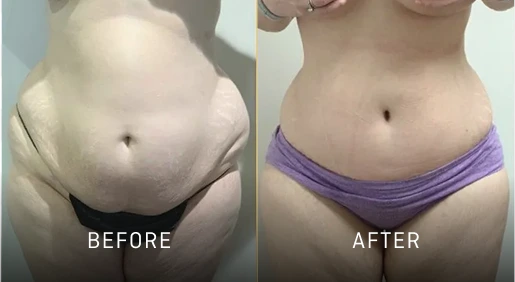
The four-to-six-week mark represents a significant milestone in your recovery. By now, most patients feel nearly back to normal and can resume most pre-surgery activities. The majority of swelling has resolved, allowing you to get a better preview of your final results, though some residual swelling remains – particularly in areas like the abdomen, hips, and thighs.
At this stage, you can typically:
Resume moderate to vigorous exercise, including cardio and strength training
Stop wearing compression garments during the day (though some surgeons recommend wearing them for a few more weeks)
Return to all work activities without restrictions
Sleep in any position comfortably
However, your body heals at its own pace, and your surgeon may recommend a more conservative approach depending on the extent of your procedure and your individual healing progress.
Months 2-6: How the Body Heals and Final Results Emerge
While you’ll feel fully recovered by the two-month mark, your body continues its behind-the-scenes work for several more months. As your body heals completely, internal swelling gradually dissipates, and your skin continues to contract and conform to your new contours.
Most patients see their final results emerge around the six-month mark, though some areas may take up to a year to fully settle. This is especially true for areas where larger volumes of fat were removed or where skin elasticity is a concern. The skin tightening process happens gradually as collagen remodels and adjusts to your new shape.
Understanding Body Contouring Expectations
It’s important to approach your body contouring journey with realistic expectations. Liposuction removes fat cells permanently from treated areas, but it’s not a weight-loss solution – it’s a body-shaping procedure. The best candidates are already near their ideal weight and want to address stubborn fat deposits that don’t respond to diet and exercise.
Think of liposuction as sculpting rather than erasing. Your surgeon removes fat strategically to create more aesthetically pleasing proportions and contours. The procedure works best when you maintain a stable weight through healthy lifestyle habits after recovery.Does Liposuction Remove Cellulite?
A common question patients ask during their liposuction consultation is: Does liposuction remove cellulite? The short answer is no – traditional liposuction doesn’t treat cellulite and may even make it more noticeable in some cases.
Cellulite results from fat pushing through connective tissue bands beneath the skin, creating a dimpled appearance. Since liposuction removes deeper fat layers, it doesn’t address the structural cause of cellulite. In fact, if you have cellulite in treated areas, it may become more visible after fat removal due to changes in skin tension and support. Discuss cellulite concerns with your surgeon during your consultation, as other treatments specifically target this issue.
How Much Fat Can Be Safely Removed?
During your liposuction consultation, you’ll discuss how much fat can be safely removed during your procedure. While there’s no universal limit, most surgeons follow the guideline of removing no more than 5 liters (about 11 pounds) of fat in a single session for safety reasons.
Removing larger volumes increases the risk of complications and extends recovery time significantly. If you’re hoping to address multiple large areas, your surgeon may recommend staging procedures several months apart. Remember, liposuction aims for contour improvement, not maximum fat removal.
Tips for Optimizing Your Recovery
Following your surgeon’s post-operative instructions closely gives you the best chance for a smooth recovery and excellent results. Stay hydrated, eat nutritious foods rich in protein and vitamins, avoid smoking and alcohol, and be patient with your body as it heals. Attending all follow-up appointments ensures your surgeon can monitor your progress and address any concerns promptly.
Recovery from liposuction requires commitment and patience, but most patients find the results well worth the temporary discomfort and downtime. By understanding what to expect each week, you can approach your recovery with confidence and realistic expectations for your body contouring journey.
Schedule a Liposuction Consultation at Illuum Cosmetic Surgery
Schedule a liposuction consultation at Illuum Cosmetic Surgery to explore how liposuction surgery can help you achieve your body goals. Our board-certified plastic surgeons, Dr. Ozolins and Dr. Lakin, specialize in body contouring procedures designed to remove excess fat and enhance your natural proportions. Whether you’re addressing stubborn areas after significant weight loss or targeting localized fat deposits, our team can help you understand what to expect and guide you toward optimal liposuction results.
Final Thoughts on Liposuction Recovery Time
Understanding your liposuction recovery timeline is key to achieving safe and satisfying results after this plastic surgery. While most patients experience only mild discomfort, it’s important to contact your surgeon if you encounter severe pain or unusual symptoms. Liposuction is designed to target unwanted fat and help contour areas like the upper arms, abdomen, or thighs, but it cannot address excess skin or replace healthy weight management. Following your surgeon’s instructions – including wearing compression garments, taking prescription pain medications as needed, engaging in gentle movement to maintain blood flow, and avoiding strenuous exercise or heavy lifting if your job involves heavy lifting – will help reduce swelling and support your healing. Even though suction-assisted liposuction removes a significant portion of fat, your remaining fat cells can still expand if body weight increases, so maintaining a healthy lifestyle is essential. Whether your procedure is simple or involves multiple treatment areas, patience and care throughout recovery ensure the best possible results for your new contours.