
Pectoral implants give men a predictable, defined increase in chest size. Fat transfer uses your own tissue for a softer, natural result, but it depends on how much spare fat you have. Implants usually suit lean men who want a set amount of volume. Fat transfer usually suits men who have enough donor fat and would also like a slimmer waist or flanks. At Illuum Cosmetic Surgery in Novi, our board-certified plastic surgeons offer both procedures. This guide explains how each option works, what recovery looks like, and how to decide which one fits your goals.
Both procedures add volume to the upper chest to create a fuller, more muscular look. They reach that goal in very different ways, and that difference shapes everything from sizing to recovery.
Pec Implants are silicone implants placed beneath the pectoral muscle to enhance the appearance of the chest muscles.The volume they add does not depend on your body fat, diet, or training. Many men who consider implants have trained hard for years and still cannot build the upper chest they want. Others have a naturally flat chest wall that exercise alone will not change.
Pec Fat Transfer uses liposuction to take fat from an area where you have extra, such as the abdomen or flanks. That fat is then used to build volume in the chest. You get two changes from one surgery: a slimmer donor area and a fuller chest.
Dr. Lakin pairs pec fat transfer with his signature technique, Pec Silhouetch℠. Silhouetch℠ is our signature HD liposuction approach. Applied to the chest, it sculpts the borders of the pectoral muscles so the added volume looks natural and masculine.
The main difference is the source of the volume. An implant is a device with a fixed size. Transferred fat is living tissue, and only part of it settles in for the long term.
Donor fat often decides the question. Dr. Lakin confirms how much fat a patient has available for transfer. When there is not enough fat to reach the patient’s goal, he recommends pectoral implants.
Implants are the more direct path to a bigger chest. That directness brings both strengths and trade-offs.
Predictable size. The implant’s volume is set in advance, so you and your surgeon can plan the result with more certainty.
Works for lean men. You do not need spare fat. This makes implants a strong option for athletic men with low body fat.
Stable volume. The implant does not shrink or grow with weight changes.
Defined shape. Implants can create a squared, sculpted upper chest that is hard to build with fat alone.
One surgery for the volume. Most men reach their chest goal without a second session.
Fixed size. Once placed, the implant’s volume does not change. Choosing a different size later means another surgery.
A device in your body. Some men prefer to avoid any implant and would rather use their own tissue.
No added contouring. Implants enhance the chest only. They do not slim other areas.
Firmer feel. An implant feels firmer than natural fat, although many men find it feels similar to flexed muscle.
Fat transfer appeals to men who want a natural feel and a body contouring benefit. Its main limits relate to volume and predictability.
Your own tissue. No implant is involved, which many men value.
Two results in one. Liposuction slims the donor area while the chest gains volume.
Natural feel and movement. Transferred fat feels soft and moves with your body.
Pairs well with definition. Dr. Lakin’s Pec Silhouetch℠ technique combines added volume with sculpted muscle borders. This creates a chest that looks athletic rather than simply larger.
Less predictable volume. Not all transferred fat survives. The final size is smaller than what you see right after surgery.
Requires donor fat. Very lean men may not have enough fat to reach their goal.
Limited gain per session. Larger changes may take more than one session. We require a three-month healing period before another session of liposuction and fat transfer.
Weight changes matter. Transferred fat behaves like fat elsewhere in your body, so significant weight gain or loss can change your chest.
Your priorities around certainty and long-term upkeep can point you toward one option over the other.
With implants, your surgeon chooses a size and shape that fits your chest width and frame. The volume you see after swelling resolves is the volume you keep.
With fat transfer, the chest often looks fuller right after surgery than it will long term. Some of that early fullness is swelling, and some is fat that does not survive. Once the chest settles, the remaining fat becomes part of your natural tissue. Gains tend to be more modest than with implants, but the shape blends smoothly with the surrounding chest.
Implant volume stays steady regardless of your weight. Because an implant is a device, ongoing follow-up with your surgeon is part of owning one.
Transferred fat that survives the healing period is long-lasting. Keeping a stable weight is the main way to protect your result. A steady routine of training and nutrition also helps both the chest and the donor area keep their shape.
Both procedures involve a recovery period with activity limits. Your surgeon will give you a plan for your specific procedure, but our general guidelines give a sense of the timeline.
For the first four weeks, we ask patients to avoid strenuous activity and anything that raises the heart rate or blood pressure. Walks are limited to about one mile at a relaxed pace. Heavy lifting stays limited to 10 to 15 pounds until six weeks after surgery. We typically recommend about four weeks off work. About 60% of swelling usually resolves by six weeks, though some swelling can linger for up to a year.
Recovery centers on the chest. Tightness and stiffness are normal early on and improve over time. Pushing movements such as bench presses and push-ups wait until your surgeon clears you. Most men return to chest training gradually so the area can heal fully before heavy loads return.
Fat transfer means healing in two places: the donor area and the chest. Compression garments help control swelling in the liposuction areas. We generally ask patients to wear them 23 hours a day for the first 30 days. Lymphatic Massage can help reduce fluid retention during recovery. Light, gentle self-massage is also an option. Protecting the chest from pressure in the early weeks supports the transferred fat as it settles.
Good candidates for either procedure are in good general health, have realistic goals, and can follow recovery instructions. Avoiding nicotine is important for healing, and we ask patients to stop nicotine products for four weeks before and after surgery.
You may be a good candidate for pectoral implants if you:
Have low body fat and little to spare for transfer
Want a noticeable, predictable increase in chest size
Have a flat upper chest that has not responded to training
You may be a good candidate for fat transfer if you:
Have enough fat in areas such as the abdomen or flanks
Want a modest, natural-looking increase in volume
Would welcome a slimmer midsection alongside a fuller chest
Prefer to avoid an implant
Start with what you want to see in the mirror after recovery. If your top priority is size, implants usually deliver more certainty. If your top priority is a natural feel and overall contouring, fat transfer is often the better fit.
Some men do not need added volume at all. If you already have solid muscle that is hidden under fat, Pec Liposuction or Pec Etching may reveal it. If the chest looks soft because of excess glandular tissue, Gynecomastia may be the right first step. A consultation helps sort out which concern is driving the look of your chest.
Natural appearance. Both procedures can look natural when sized to your frame. Fat transfer tends to blend more softly. Implants tend to create a more sculpted look, which suits men who want a defined chest.
Return to the gym. Training is part of life for many men considering either procedure. Expect a gradual return, with chest work added back only after your surgeon clears you.
Weight changes after surgery. Implant volume will not change with your weight. Fat transfer results can shift with significant weight gain or loss, so a stable weight protects your result.
Combining procedures. Fat transfer already includes liposuction, so contouring is built in. Our surgeons can explain whether other procedures, such as abdominal contouring, make sense alongside chest enhancement or should be planned separately.
Neither procedure replaces muscle. Implants enhance the shape of the chest. Fat transfer adds soft volume and, with Dr. Lakin’s Pec Silhouetch℠, sharper definition. The goal of both is a chest that looks balanced with your shoulders, arms, and waist.
Final results take time. Swelling makes the early weeks a poor guide to your outcome. Six weeks is a turning point, but full refinement can take several months to a year. Patience during this period helps you judge the result fairly.
Experience matters when sizing implants or sculpting with fat. Dr. Lakin and Dr. Ozolins are both board-certified plastic surgeons with over 20 years of experience. Dr. Lakin has performed more than 20,000 surgical procedures. Surgeries take place in our Quad A accredited office, which includes a fully equipped operating room. You can learn more about Providers before your visit.
The core of Pectoral Implants vs. Fat Transfer: Pros and Cons comes down to volume and donor fat. Implants offer predictable, stable size and work well for lean men. Fat transfer offers a soft, natural result plus body contouring, but it depends on available fat and may take more than one session. Your anatomy, your goals, and a careful assessment from our surgeons will point to the right choice for your chest.
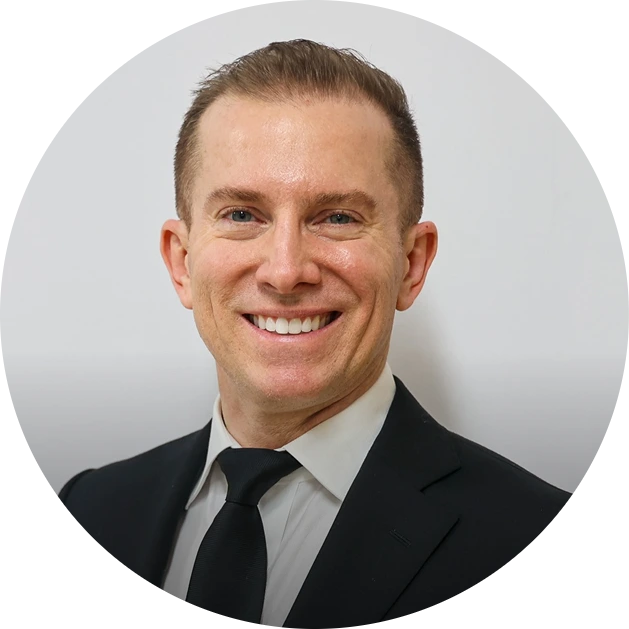
About the Author
Dr. Gregory Lakin
October 11, 2026
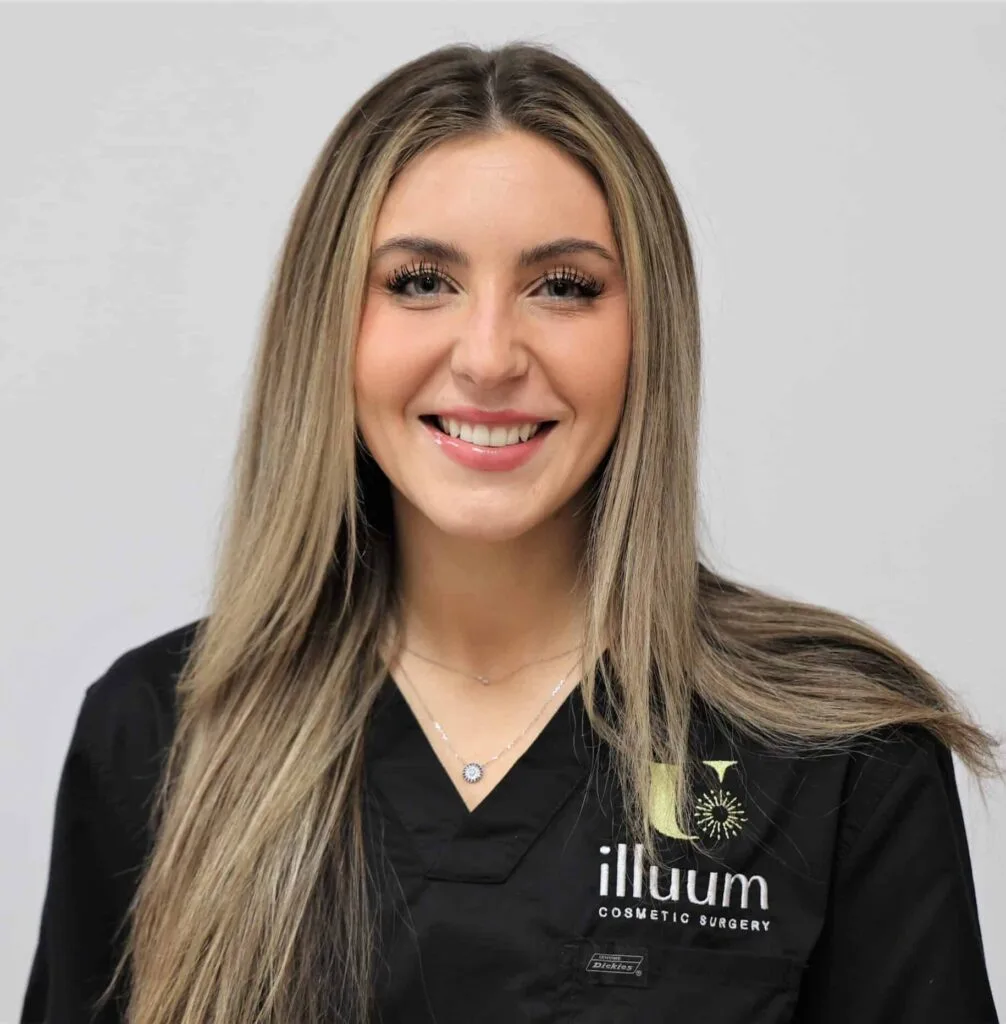
Nurse Injector
She received her Bachelor of Science in Nursing from Michigan State University and worked as an operating room nurse at Michigan Medicine for 2 years before transitioning to aesthetics. She
received her certification as a Nurse Injector, and attended further training and certification through Allergan Medical Institute. She absolutely loves being a Nurse Injector and is very passionate about
combining medicine and the creativity and artistry of aesthetics in her practice. It is extremely important to her to remain educated and up to date with the newest and best treatments and injection techniques. Her goal as an Injector is that when you sit in her chair that you feel comfortable, fully educated on your procedure, and confident and happy in your results when we are done. She loves forming connections with her patients and feels truly honored to be a part of your journey to becoming your most confident self, inside and out! She is a great listener and looks forward to creating an individualized plan to meet each of her patient’s unique goals and desires. Some of her favorite treatments include lip filler, Botox, and midface/cheek filler (but there is so much more!). When she is not injecting, you can find her trying new recipes, spending time with family, working out, gardening, or taking a long walk with her dog.
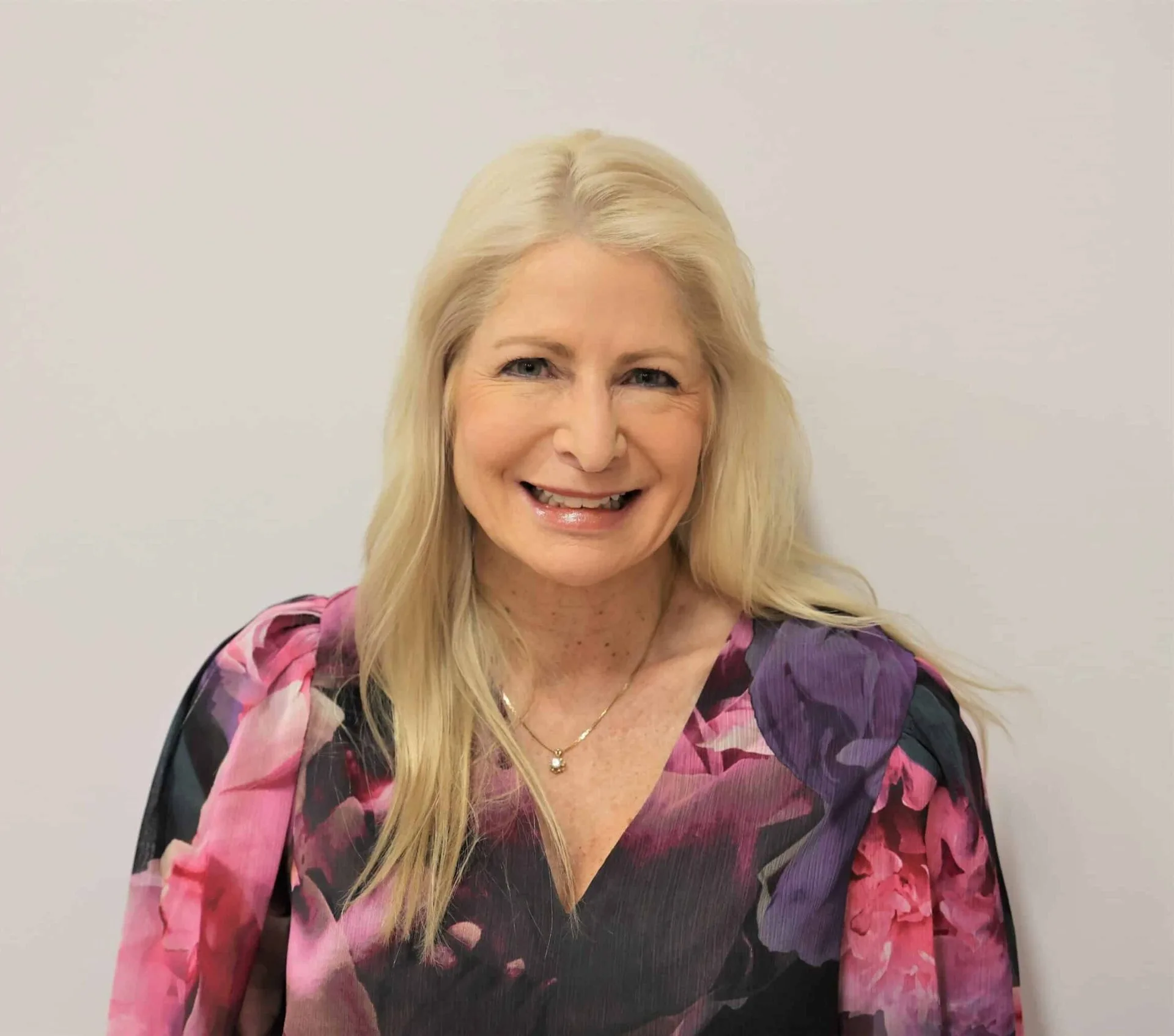
Heidi Winkler BSN, RN
Director of Nursing & Surgical Services Leadership
Heidi’s goal is to ensure every patient has a positive experience and is satisfied with the high quality of service provided by our clinical staff. Her passion as a caregiver is to impact each person’s life in a positive way.
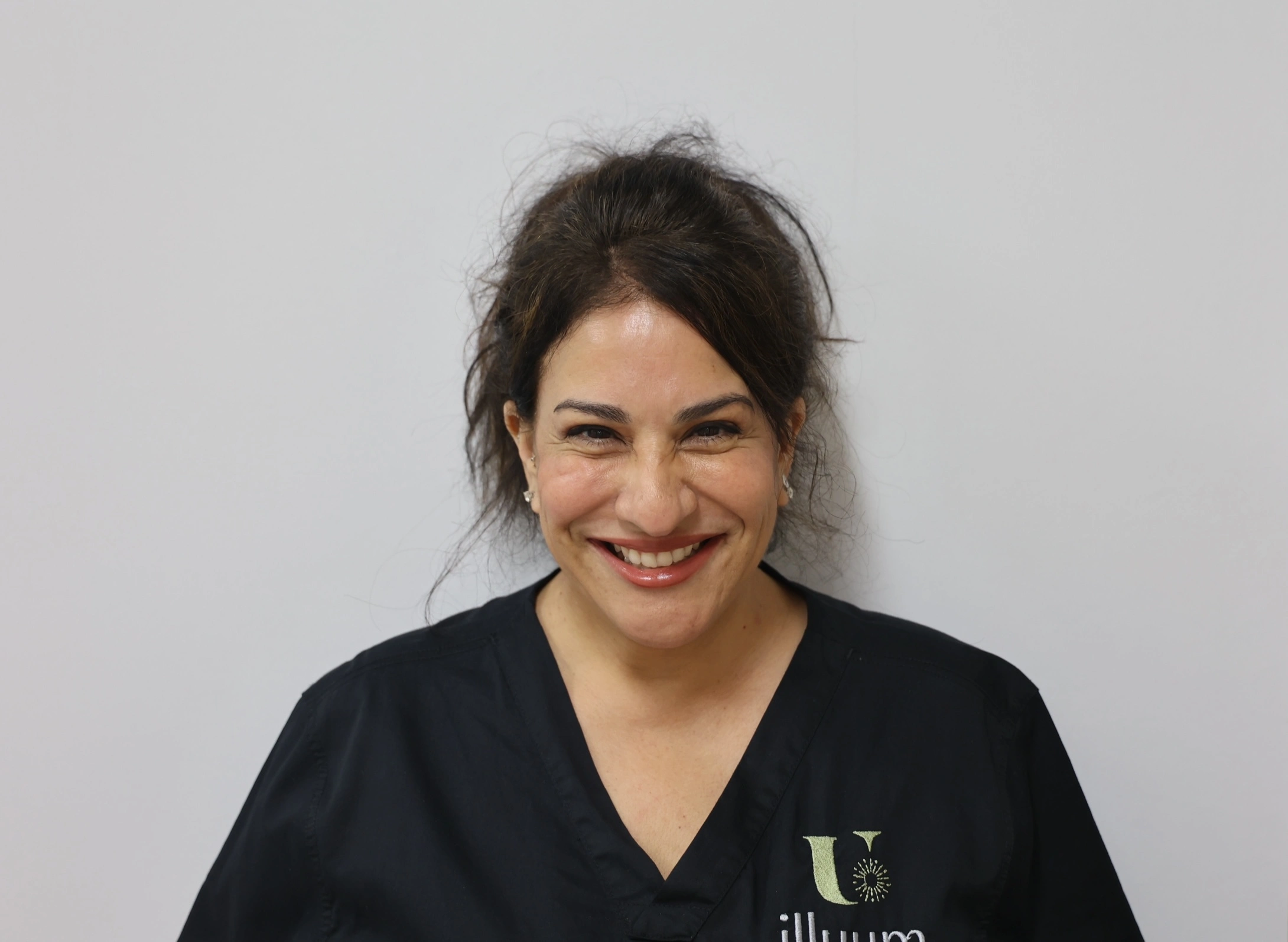
PACU Nurse
Tonya has been a registered nurse for 15 years. She earned her BSN at the University of Michigan. Go Blue!
She started her career as a trauma RN in Detroit. She has been working as a recovery RN for the past 8 years. She loves being part of a team that makes a difference in people’s lives.
Her passions include lounging with her fur babies, family, and friends, traveling, crunching, and recycling.

You must be over 18 to view this gallery.