
Recovery after an abdominoplasty, or tummy tuck, happens gradually. Most people can return to light daily activities within 2 to 4 weeks, resume exercise around 6 weeks, and continue to see improvements in swelling and scars over the following 6 to 12 months. The first six to eight weeks are typically the most intensive part of recovery, so knowing what to expect at each stage can help you plan for rest, arrange support at home, and stay on track with follow-up appointments.
Your week-to-week journey depends on several factors:
Type of tummy tuck. A mini procedure is usually easier than a full or extended abdominoplasty, such as a fleur-de-lis tummy tuck
Combined procedures. A mommy makeover, liposuction, or Lipo 360 can add swelling and rest time
Your starting health. A BMI under 42 is required for surgery at Illuum Cosmetic Surgery in Novi, MI. A stable goal weight, good physical condition, and a nutrient-dense diet before surgery support smoother healing
Garment and activity rules. Compression, short walks, and no heavy lifting protect the repair
Nutrition and nicotine. A high-protein diet with vitamin C, iron, and zinc supports tissue repair. Nicotine, nicotine products, and secondhand smoke reduce blood flow and must be stopped for at least four weeks before and after surgery
Support at home. A responsible adult must drive you home and help with meals, kids, and pets in the first days
Adherence to instructions. Following the post-operative guidelines from Dr. Lakin and Dr. Ozolins is the single most important factor for a successful outcome
Use this week-by-week timeline as a planning tool, not a scorecard. Some days will feel better than others, and swelling often shifts with activity and time of day.
The first two days are about rest, pain control, and getting home safely after your procedure in our fully equipped operating room. A responsible adult must drive you. You will feel tight, sore, and bent forward – that hunched posture is normal while the abdomen is supported.
Rest is your main priority; mobility is limited, though you can walk to the bathroom
Walk in a hunched-over position to avoid straining your incision; do not push for distance
Soreness, swelling, and tightness are expected; prescribed medication helps manage discomfort
Wear a compression garment about 23 hours a day to minimize swelling and support healing tissues
You will have one or more surgical drains; your surgeon will show you how to empty and measure them
Eat small, protein-rich meals and drink plenty of water
This week is still rest-heavy. Sleep when you can, and take short, slow walks around the house every few hours to promote circulation.
Walk a little more than yesterday, but keep it leisurely – no more than about one mile, and do not raise your heart rate or blood pressure with workouts
You will be taught how to empty your surgical drains; they can typically be removed once output is consistently under 30 milliliters for two consecutive days
Continue wearing your compression garment 23 hours a day; keep garments clean and wash them often
Lymphatic massage can still be performed while a drain is in place
Pain should ease some by the end of week one. Extra Strength Tylenol is commonly used; NSAIDs, such as ibuprofen, are generally held in the first week unless your surgeons say otherwise
Your first post-operative appointment is scheduled during this week and must be in person so the team can assess initial healing
By week two, comfort and mobility often improve, though tightness and stiffness remain. You will still move carefully and may not stand completely straight yet. Many people feel more like themselves indoors but still tire quickly.
Gradually increase the length of your walks; many patients feel well enough for short, leisurely trips
Around post-op day 14, surgical tapes over your incisions can be removed at home if you feel comfortable, or we can assist you
Keep incisions clean and dry. You will likely be cleared to shower, but do not soak in a bath, pool, or hot tub
You may be cleared to drive – typically around one to two weeks post-op. If twisting to check blind spots still hurts, wait
Swelling can travel downward with gravity and collect near the incision, sometimes looking like a small “shelf.” Compression and rest help it settle
This is a major turning point. A follow-up is typically scheduled around the three-week mark to check wounds and garments. Light household chores and desk work are usually manageable.
You can stand straighter and walk more comfortably, but keep walks to a leisurely pace and no more than one mile until your 30-day visit
Do not lift more than about 10 to 15 pounds for the first six weeks, and do not walk large dogs that might yank the leash
Light cardio may be discussed at this visit if incisions are closed and there is no infection. Start slowly; increased activity can bring more swelling 24 to 48 hours later. That is a normal fluid shift, not a sign that results are lost
Six weeks is a key milestone, when our surgeons often clear patients to resume most regular activities. You will have another check-up at our Novi office to assess your progress. About 60% of post-surgical swelling has likely resolved.
Begin a structured exercise plan with bodyweight moves and easy cardio, listening to your body and increasing intensity gradually
Muscle irritation with movement can happen; stop if you are overdoing it
The restriction on lifting more than 10 to 15 pounds is usually lifted at six weeks once you are cleared
Core work should be gradual. The abdominal muscles were repaired and need time before intense sit-ups or heavy weights
Compression is generally worn 12 hours a day rather than 23; you may wear it longer if swelling still bothers you
If incisions are fully closed and there is no scabbing, begin scar treatments, such as Prevascar. If a small scab remains, treat only the closed areas
From months two to three, clothes usually fit more like you hoped, and your new abdominal contour becomes more defined. A follow-up at the three-month mark is usually nurse-led; photos may be taken to track change.
Swelling still shows up at the end of the day or after longer activity. It tends to leave the upper abdomen first and linger along the hips, mons, and lower belly. One side can look more swollen than the other for a while
Scars will still be pink or red and may feel firm. This is normal. Continue scar care and sun protection
Compression is not required after three months, but some people keep wearing it for comfort when edema flares
You should be able to perform almost all normal activities and exercises without restriction
Nerves wake up in stages. Itching, tightness, and patchy numbness are common as sensation returns
Lumps often soften with time and gentle massage. Internal sutures can create a brief “pop” feeling as they dissolve; that is part of normal healing
Patience is key. A final in-person follow-up with Dr. Lakin or Dr. Ozolins is typically scheduled at six months, when shape is much closer to the long-term result.
Residual swelling, especially in the lower abdomen, can last up to a year
Scars are often darker around three months, then fade, soften, and flatten over 12 to 18 months. Protecting them from the sun – even under clothing – is crucial to prevent darkening
Numbness or altered sensation around your incision and belly button will gradually improve
Keep protein in each meal, stay hydrated, and maintain a stable weight. Large weight swings can change the contour you worked to heal
Post-operative swelling is expected and is often worse at night, after you do more, and – due to gravity – along the hips and lower abdomen. Rest, garments, and gentle lymphatic massage help the body move fluid.
Professional lymphatic drainage sessions are about 30 minutes, with a visit lasting around 45 minutes. On other days, light self-massage in the shower or lying down for about 30 minutes total is useful
Use Prevascar once incisions are fully healed. Silicone tape can help flatten scars. Scar products work in the first year, and only on fully closed skin – if an area is still scabbed or open, wait
Scar color can lighten, darken, then lighten again. Pressing a scar and watching color refill can show it is still healing
Apply sunscreen to scars even under clothing; UV rays can cause them to become permanently darker
Numbness and itching near the incision and belly button can last many months as nerves heal. Itching is often nerve sensitivity – do not scratch. Use only products your care team has approved
Plan your home setup before surgery: extra pillows, easy meals, a phone charger near the bed, and help with laundry and kids.
For the first few weeks, sleep on your back in a “beach chair” position, with your head and knees elevated, to avoid tension on your incision line.
Avoid sleeping on your stomach until any healing spot is fully closed. Do not sleep on a side that has a dressing if pressure would reduce blood flow
Showers are usually allowed once you are shown how to protect incisions. No submerging in baths, pools, or hot tubs until you are cleared
Wait at least 30 days for hot tubs because heat increases swelling and still water can enter incisions
Resume driving once you are off narcotic pain medication and can react quickly, brake safely, and comfortably turn your torso—typically around one to two weeks. Desk work may return before physical work
Limit walks to a leisurely pace and about one mile until your 30-day visit. No seat massagers in early recovery
Wear garments as directed. If a binder rubs, a thin tank underneath can help. Change pads and dressings if an area stays moist so skin does not stay wet
Maintain a nutrient-dense diet high in protein, vitamin C, iron, and zinc. Avoid NSAIDs like ibuprofen for the first week unless your surgeons say otherwise; Extra Strength Tylenol is commonly used for pain
Don’t rush it. Listen to your body. Doing too much, too soon can increase pain and swelling. Rest when tightness spikes after a busy day
Follow restrictions. Do not lift more than 10-15 pounds for 6 weeks. Avoid all nicotine products and secondhand smoke for at least four weeks before and after surgery
Skip NSAIDs, extra vitamins, herbal supplements, and alcohol as instructed around surgery
Do not start scar cream on open or scabbed skin
Do not compare your week-two photo to someone else’s month-six photo. Two weeks is still early
Keep follow-ups at about 3 weeks, 6 weeks, 3 months, and 6 months so garment time, exercise, and scar care can be adjusted
Stay at a stable weight. Large gains or losses change how the abdomen looks after the skin has been redraped
Contact our Novi office immediately if something feels off. After-hours nurse support is there for urgent concerns. Do not wait and wonder – early contact is part of safe recovery.
Warning signs to watch for:
A fever higher than 101°F
Excessive pain, redness, or warmth around the incision
Foul-smelling discharge from your incisions, or pads that soak through
Sudden, severe swelling in one area, or a sudden jump in swelling with a soft, waterbed-like feel on the abdomen after drains are out
Shortness of breath or chest pain
Tummy tuck recovery is a gradual process, and knowing what to expect can make each stage easier to manage. While many patients return to light activities within a few weeks and resume more normal exercise around six weeks, swelling, scar changes, and sensation can continue improving for months. The best way to support a smooth recovery is to follow your surgeon’s instructions, protect your incision, increase activity gradually, maintain good nutrition, and keep all scheduled follow-up appointments. Most importantly, give your body time to heal – and contact your surgical team promptly if you notice any warning signs or changes that concern you.

About the Author
Dr. Gregory Lakin
September 17, 2026
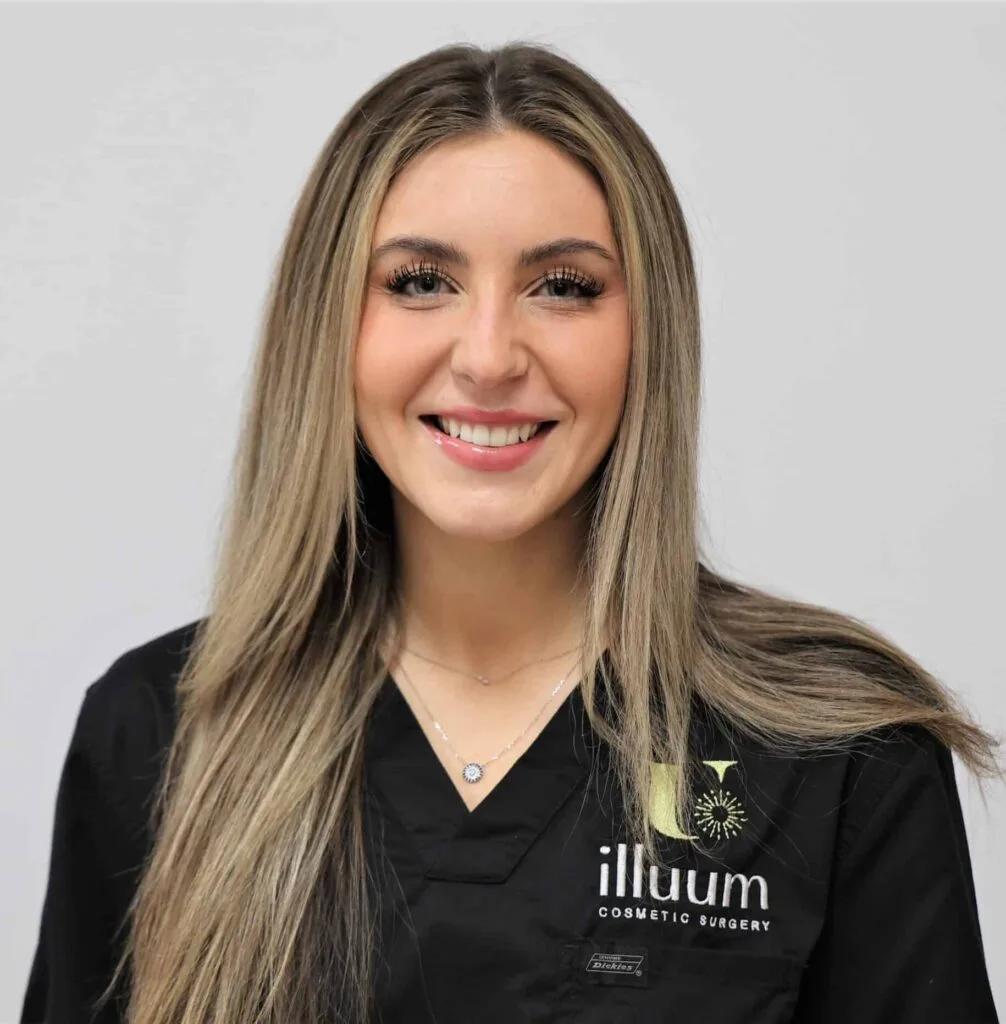
Nurse Injector
She received her Bachelor of Science in Nursing from Michigan State University and worked as an operating room nurse at Michigan Medicine for 2 years before transitioning to aesthetics. She
received her certification as a Nurse Injector, and attended further training and certification through Allergan Medical Institute. She absolutely loves being a Nurse Injector and is very passionate about
combining medicine and the creativity and artistry of aesthetics in her practice. It is extremely important to her to remain educated and up to date with the newest and best treatments and injection techniques. Her goal as an Injector is that when you sit in her chair that you feel comfortable, fully educated on your procedure, and confident and happy in your results when we are done. She loves forming connections with her patients and feels truly honored to be a part of your journey to becoming your most confident self, inside and out! She is a great listener and looks forward to creating an individualized plan to meet each of her patient’s unique goals and desires. Some of her favorite treatments include lip filler, Botox, and midface/cheek filler (but there is so much more!). When she is not injecting, you can find her trying new recipes, spending time with family, working out, gardening, or taking a long walk with her dog.

Heidi Winkler BSN, RN
Director of Nursing & Surgical Services Leadership
Heidi’s goal is to ensure every patient has a positive experience and is satisfied with the high quality of service provided by our clinical staff. Her passion as a caregiver is to impact each person’s life in a positive way.
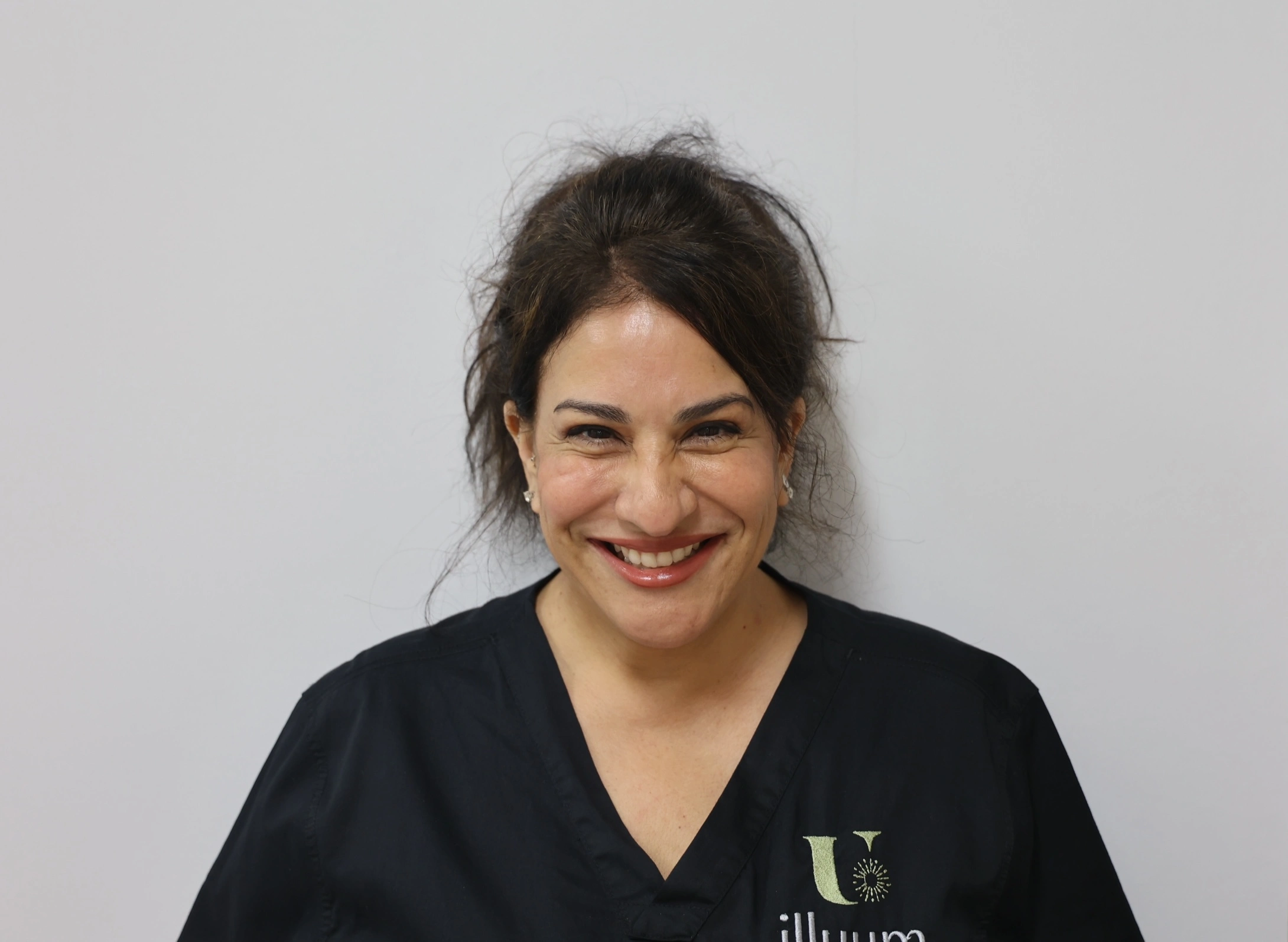
PACU Nurse
Tonya has been a registered nurse for 15 years. She earned her BSN at the University of Michigan. Go Blue!
She started her career as a trauma RN in Detroit. She has been working as a recovery RN for the past 8 years. She loves being part of a team that makes a difference in people’s lives.
Her passions include lounging with her fur babies, family, and friends, traveling, crunching, and recycling.

You must be over 18 to view this gallery.