How to Fix Diastasis Recti: Why True Repair Requires Surgical Correction
If you've been living with a protruding belly that just won't respond to diet or exercise, diastasis recti may be the reason. This condition affects millions of people, particularly women after pregnancy, and it's widely misunderstood. Here's what you need to know: for moderate-to-severe cases, exercise alone cannot close a significant gap in the abdominal wall. Surgical repair is the only proven way to fully restore the structure and function of your core. The good news is that the procedure is well-established, recovery is manageable, and the results can be life-changing.

What Is Ab Separation, and How Does It Affect Your Abdominal Muscles?
Diastasis recti – commonly called ab separation – happens when the two parallel bands of your abdominal muscles drift apart at the midline. They’re held together by a band of connective tissue called the linea alba. When that tissue stretches or weakens, usually due to pregnancy, significant weight changes, or heavy straining over time, the gap between those muscle bands widens.
The result isn’t just cosmetic. That separation can cause:
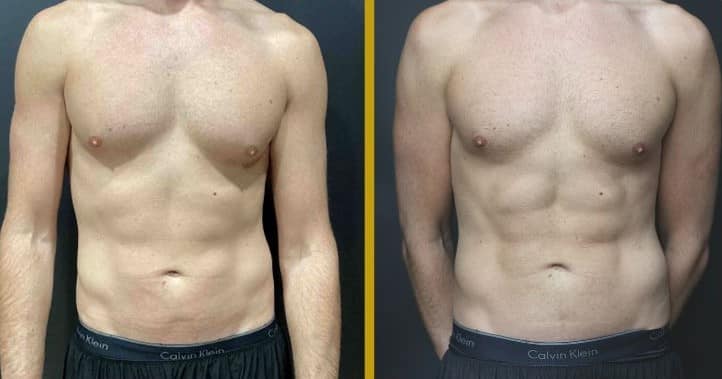
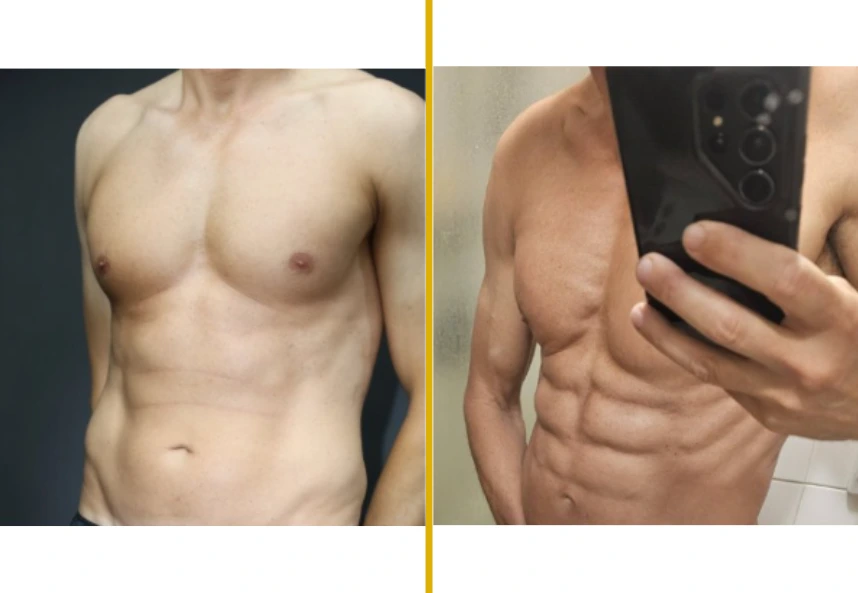
A visible ridge or “pooch” down the center of your belly
Lower back pain and pelvic instability
Difficulty with everyday movements like lifting, bending, or getting up from a chair
A weakened core that affects your posture and balance
Digestive issues, including bloating and constipation
Many people spend years assuming these symptoms are just “normal” after having children. In reality, these are signs that your abdominal wall needs more than time to heal.
Why Diastasis Recti Exercises Fall Short
This is one of the most important things to understand, and one of the most common sources of frustration.
The Truth About Core Exercises and Core Strengthening
Core exercises are frequently recommended as the first-line treatment for diastasis recti. Physical therapy, Pilates, and targeted rehabilitation can play a genuine role, especially for mild cases or as preparation for surgery. They can reduce symptoms, improve posture, and teach you how to move in ways that don’t worsen the separation.
But here’s the critical distinction: strengthening the muscles around a gap does not close the gap. The linea alba is connective tissue, not muscle. You can’t contract your way to closing it, no matter how disciplined your workout routine is. For gaps larger than 2–2.5 centimeters, or for cases where the tissue itself has lost structural integrity, exercise simply cannot provide the mechanical correction that’s needed.
In fact, some exercises, such as traditional crunches, sit-ups, and heavy lifting, can worsen the separation by increasing intra-abdominal pressure. Working hard at the wrong movements isn’t just ineffective; it can set you back.
Why Targeting Your Deep Core Isn't a Fix
You may have heard that working the deep core – specifically the transverse abdominis, the deepest layer of abdominal muscle – is the key to healing diastasis recti. Activating this muscle does create a kind of internal “corset” effect, and learning to engage it properly is genuinely valuable. It protects your spine, reduces pain, and supports daily function.
But again, deep core activation is a management strategy, not a structural repair. It’s the difference between bracing a cracked wall and actually repairing it. If the linea alba is significantly stretched or thinned, no amount of deep core work will restore its original tension and integrity.
Surgery vs Exercises: Weighing the Pros and Cons
| Surgery | Exercises |
|---|---|---|
Fixes the structural gap | ✅ Yes | ❌ No |
Long-term results | ✅ Permanent | ⚠️ Temporary relief only |
Relieves back and hip pain | ✅ Yes | ⚠️ May reduce symptoms |
Improves core function | ✅ Yes | ⚠️ Partially |
Best for moderate-severe cases | ✅ Yes | ❌ Not effective |
Best for mild cases | ⚠️ May not be needed | ✅ Yes |
Recovery time required | ✅ 6–8 weeks | ✅ None |
Addresses pelvic floor issues | ⚠️ Combined with PT | ✅ Yes, with targeted therapy |
Improves appearance | ✅ Yes | ❌ Minimal impact |
Risk of making the gap worse | ❌ No | ⚠️ With wrong exercises |
Suitable postpartum | ✅ After family is complete | ✅ At any stage |
Guided by a professional | ✅ Surgeon | ✅ Physical therapist |
The Best Exercises for Managing Symptoms
This doesn’t mean movement is off the table before or after surgery. Quite the opposite. The best exercises for people with diastasis recti focus on protecting the gap rather than aggravating it. A good pre-surgical or conservative program typically includes:
Diaphragmatic breathing – learning to breathe deeply without increasing abdominal pressure
Heel slides and leg lifts – done with a neutral spine
Modified dead bugs – a low-pressure way to activate the deep abdominal muscles
Glute bridges – they strengthen the posterior chain and reduce strain on the front body
Pelvic floor exercises – essential, since pelvic floor dysfunction often accompanies diastasis recti
These movements support your body, relieve discomfort, and help you build a stronger foundation heading into surgical repair.
What to avoid: sit-ups, crunches, planks (in early stages), heavy compound lifts, and any movement that causes your belly to cone or dome at the midline. If you can see a ridge poking up when you engage your core, that’s your body telling you the exercise is too much.
Building a Safe Exercise Routine After Diastasis Recti Repair
One of the most common questions people have before surgery is: “Will I be able to exercise again?” The answer is yes, and often more effectively than before, because the foundation has been properly restored.
Your exercise routine after surgery will be progressive and guided by your surgical team. Most patients follow a phased return to movement:
Weeks 1–4: Gentle walking, breathing work, light pelvic floor activation. Rest is essential.
Weeks 4–8: Gradual reintroduction of low-impact movement, guided by how your body responds. Physical therapy often begins here.
Weeks 8–12 and beyond: Progressive core rebuilding, with clearance from your surgeon before returning to higher-intensity activities.
Patience here pays off enormously. The repaired tissue needs time to heal and integrate. Rushing back too quickly can compromise results, but following the plan carefully sets you up for a long-term recovery.
Is Diastasis Recti Surgery Right for You?
Diastasis recti surgery – technically called abdominoplasty with diastasis repair, or sometimes a standalone fascial plication – involves suturing the separated edges of the abdominal wall back together. This directly addresses the structural problem that exercise cannot fix.
Diastasis recti repair surgery may be the right option if:
Your gap is larger than 2–3 centimeters and hasn’t responded to conservative treatment
You experience ongoing back pain, pelvic dysfunction, or core weakness despite a dedicated rehab program
You have a visible abdominal bulge that affects your confidence or daily life
You’ve completed your family (pregnancy after repair is possible, but not generally recommended)
The procedure is typically performed under general anesthesia and takes one to three hours, depending on the extent of repair needed and whether it’s combined with other procedures. Most people return to light activity within two weeks and feel substantially recovered within six to eight weeks, though full healing takes longer.
Schedule Your Diastasis Recti Procedure at Illuum Cosmetic Surgery
At Illuum Cosmetic Surgery, our team understands that diastasis recti is far more than a cosmetic concern – it’s a structural issue involving the rectus abdominis muscles that can cause chronic abdominal pain, postural problems, and a persistent bulge around the belly button that no amount of effort seems to touch. We specialize in the surgical correction of ab muscle separation, helping patients finally get the lasting results they’ve been working toward. If you’re ready to take the next step, scheduling a consultation at our clinic is straightforward, and our surgeons will walk you through every detail of the process so you feel fully informed and confident in your decision.
The Bottom Line
Many people who develop diastasis recti postpartum don’t realize how much it affects their daily tasks. Rectus diastasis can cause more than a visible gap in the abdomen – it can lead to hip pain, urinary incontinence, and difficulty with everyday activities. Certain abdominal exercises actually make abdominal separation worse, so it’s important to avoid exercises that put excessive pressure on the core muscles. An abdominal binder or supportive garments can offer temporary abdominal support while you work toward a lasting solution.
Diastasis recti rehabilitation starts with working alongside a physical therapist. Pelvic floor physical therapy is often essential, especially when separated muscles have weakened the pelvic region. A good starting position for safe movement is lying flat on the floor with knees bent – this reduces strain on the diastasis recti abdominis. Core strength can be gradually and safely rebuilt from there.
There are real steps you can take to help prevent diastasis recti, including healthy weight gain during pregnancy and maintaining good posture throughout. Your healthcare provider can guide you on what’s right for your body and your recovery. With the right plan in place, you can get back to handling life’s demands with confidence and without pain.